Sustainability

Every step brings us closer to a greener world
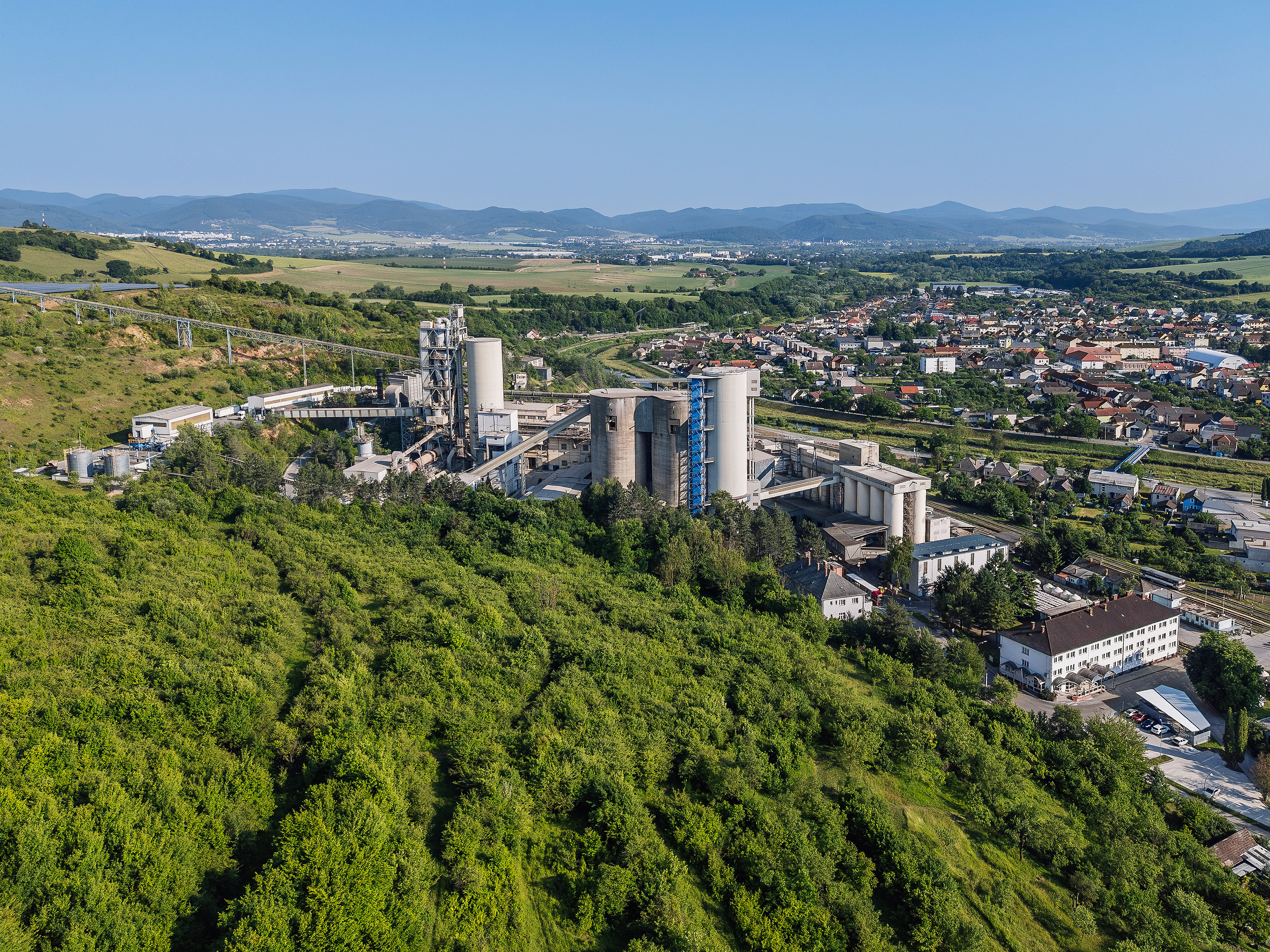
At CEMMAC, we constantly focus on sustainability and ecological solutions that allow us to reduce our environmental impact and conserve natural resources. Our strategy is based on innovations that are not only efficient but also gentle on the planet.


Alternative Fuels – Efficient Waste Utilization
Since 2004, we have been utilizing alternative fuels for clinker production. These fuels are processed according to strict EU ecological standards, and instead of needlessly being sent to landfills, we efficiently use them in our kilns.
Types of Alternative Fuels:
- Liquid Alternative Fuels (LAF): For example, oils.
- Solid Alternative Fuels (SAF): Plastic, paper, textiles, tires, and other materials.
Advantages of Alternative Fuels:
- Saving fossil fuels and reducing emissions.
- Minimal emissions thanks to high-quality filters.
- Cost savings on fossil fuels.
CO2 Emissions
At CEMMAC, we strive to reduce CO2 emissions, primarily in the following areas:
- Increasing energy efficiency in the utilization of thermal and electrical energy
- Using alternative fuels with biogenic content instead of coal
- Using alternative raw materials that release less CO2 during clinker production
- Replacing energy-intensive clinker with other materials during cement grinding
Logistics
- Environmental and natural resource protection is enshrined in our company philosophy, which is why, when transporting our goods, we primarily focus on minimizing the impact on people and the environment. This necessitates continuous monitoring and optimization of transport logistics.
- We ensure the delivery of products to our customers using the most modern trucks, which are optimally managed by our dispatch center to avoid unnecessary empty mileage.
- In 2024, we shifted a portion of our transport from road to rail, covering approximately 53,370 km by train instead of trucks. This step significantly contributed to reducing our carbon footprint.
- Truck transport would have produced approximately 4.8 tons of CO2 over this distance.
- Rail transport would have produced only 1.17 tons of CO2 over this distance.
- An annual saving of approximately 3.6 tons of CO2.
Recycling
- By utilizing alternative raw materials in cement production, mineral materials are 100% recycled. Materials such as construction waste, coarse ash, granulated blast furnace slag, UHK, etc., with a suitable chemical composition, are integrated into the production process, thereby saving natural raw materials.
- In the clinker burning process, approximately 65% of the energy needs are covered by alternative fuels. The ash generated during combustion is completely transformed into cement clinker along with the raw material.
- No waste or residues are generated during cement production.
Reclamation
- Quarry reclamation is the process of restoring land after mining activities, with the aim of improving environmental conditions. It involves several key steps, such as terrain shaping and stabilization, soil rehabilitation, and the establishment of vegetation. This process is crucial for minimizing negative environmental impacts and restoring original ecosystems.
- At CEMMAC, we ensure that our quarry is reclaimed, thereby giving something back to nature, which is in line with our support for the long-term care of environmentally valuable local sites.
Electricity
- Given the high demand for electricity in cement production, a 5MWp photovoltaic power plant was built at the CEMMAC cement plant in 2024. The project became the winner of the “PROCESS” category within the “National Business Award for the Environment in the Slovak Republic.”
- By operating this PV power plant, we are able to generate approximately 7% of our company’s total electricity consumption.